Airport Mini-Gyms: A Proactive Response to Sedentary Travel Culture
Airport Mini-Gyms: A Proactive Response to Sedentary Travel Culture
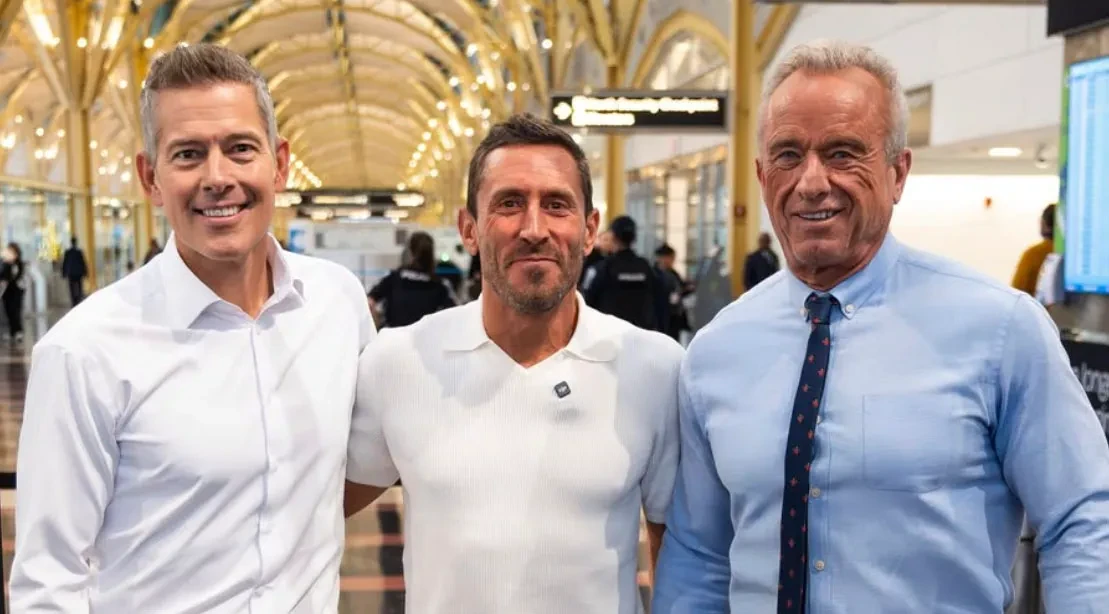
In an era where prolonged sitting dominates modern air travel, a coalition led by public health and transportation officials has unveiled plans to introduce compact, inclusive fitness spaces within airports—a novel approach to combat sedentary lifestyles during transit. The "Make Travel Family Friendly Again" initiative, spearheaded by HHS Secretary Robert F. Kennedy Jr., Transportation Secretary Sean Duffy, and double-board certified physician and fitness expert Dr. Paul Saladino, aims to transform airport terminals into hubs of active wellness.
The Campaign and Catalyst
The initiative gained momentum after a viral press conference at Washington’s Reagan National Airport, where the trio demonstrated pull-ups and calisthenics in Terminal 2. Central to the effort is Dr. Saladino’s vision: to integrate "movement zones" into airport layouts, providing travelers with accessible, low-risk exercise options during layovers or pre/post-flight periods.
Saladino’s advocacy stemmed from an Instagram post highlighting the dearth of movement opportunities in airports. "I never expected it to reach Washington," he recalled, noting his surprise at receiving a call from Secretary Duffy. His daughter, Paloma—a 17-year-old fitness enthusiast who effortlessly completed 13 pull-ups during the press conference—played a pivotal role in amplifying the message, underscoring the campaign’s family-friendly mission.
Designing Mini-Gyms: Compact, Inclusive, and Purpose-Driven
The "1.0 vision" for airport mini-gyms emphasizes deliberate compactness (300–500 square feet), low injury risk, and universal accessibility. Unlike full-service gyms, these spaces prioritize functional, bodyweight-friendly equipment:
Core equipment: Pull-up bars, dip bars, parallettes, and step-up boxes.
Inclusive features: Vibration plates, slant boards for calf raises, yoga mats, and stretching areas to accommodate all fitness levels.
Notably, heavy weights (e.g., dumbbells, kettlebells) are excluded to minimize injury potential and ensure approachability for beginners. The goal is to foster "micro-workouts"—short, sweat-free sessions (10 minutes or less)—aligning with the reality that airport travelers seek efficiency over exhaustive exercise.
The Science of Movement: Countering Sedentary Travel
Dr. Saladino’s intervention is rooted in evidence: Prolonged sitting (e.g., 2–3 hours on a flight) disrupts vascular function, as inactive muscles cease releasing myokines—anti-inflammatory signaling molecules critical for reducing inflammation. "After two hours, inflammatory markers begin rising," Saladino explained.
Brief, intentional movement reverses this: Even 10–20 step-ups, 1 minute of calf raises, or 2–4 20–30-second air bike sprints can interrupt inflammation and improve cardiovascular health. "You don’t need to exert much," Saladino emphasized. "Small, consistent breaks reset muscle function and mitigate the harms of inactivity."
Implementation and Advocacy
While $1 billion in congressional funding has been secured, airport adoption hinges on public engagement. Secretary Duffy urges travelers to contact local airports or tag their airport on social media (X) to prioritize design and installation.
Complementing the mini-gyms, Saladino advocates for smarter travel nutrition: Leveraging TSA’s third food bag allowance to pack whole foods (e.g., fruit, protein sticks) avoids reliance on overpriced, ultra-processed airport options—a holistic approach to health during transit.
Conclusion
The mini-gym initiative challenges the norm of sedentary travel, redefining layovers as opportunities for health, not stagnation. By prioritizing compact, inclusive movement spaces, the campaign empowers travelers to reclaim control over their well-being during transit. As Saladino notes: "Small, intentional movements can counteract the harms of prolonged inactivity, turning travel into a catalyst for long-term health."
For a future where airports prioritize active wellness, the call to action is clear: Engage with your local airport, advocate for movement zones, and embrace the power of micro-workouts.
Note: The article has been structured to maintain original intent while adopting a professional, journalistic tone, emphasizing clarity, scientific rationale, and actionable advocacy.