Navigating Marathon Success: A Comprehensive Guide to Training, Travel, and Race-Day Logistics
Navigating Marathon Success: A Comprehensive Guide to Training, Travel, and Race-Day Logistics
With rigorous planning and disciplined execution, you can achieve significant fitness transformation in just 28 days. However, when embarking on long-distance running—particularly marathons—the journey demands multifaceted preparation. As one of the most physically and mentally challenging endurance events, marathons are undertaken by fewer than 1% of the global population, a testament to their complexity. This article draws from my experience as a six-star Abbott World Marathon Majors finisher, sharing insights to ensure success in training, travel, and race-day execution.
The Marathon Journey: Mental and Physical Demands
Marathon training is not merely a physical endeavor; it requires mental fortitude and strategic preparation. As a mentor for Team For Kids, I emphasize approaching marathon training with the mindset of elite athletes—preparing for months to achieve race-day success. The journey is non-linear: runners experience strong performances alongside setbacks, including digestive discomfort from energy gels and the medicinal taste of sports drinks. Regardless, the ultimate goal remains: crossing the start line in peak condition.
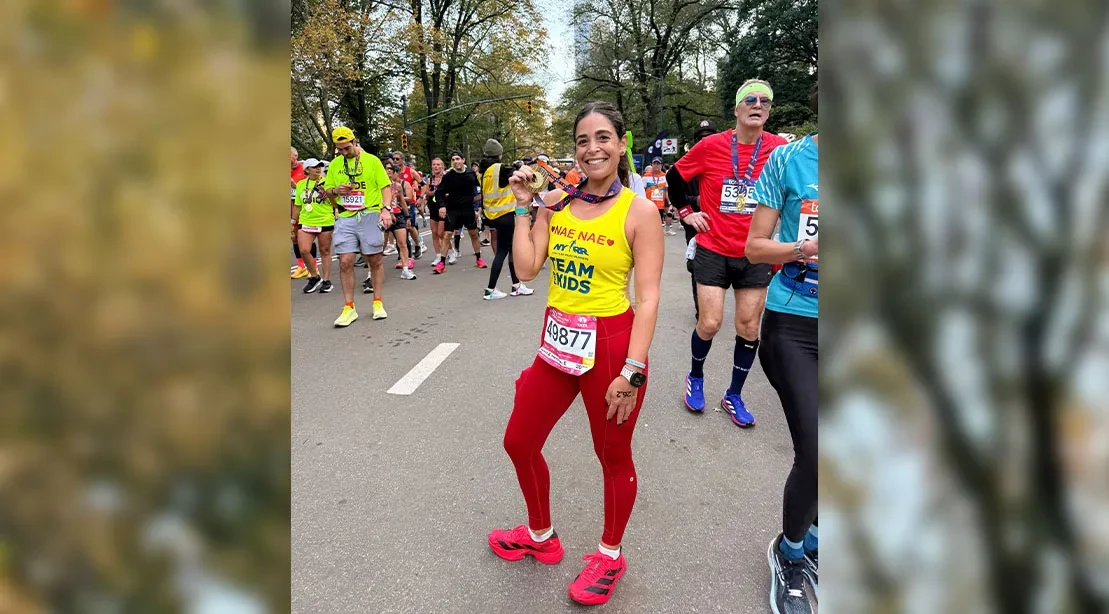
In 2022, I completed my first marathon in New York City, earning the Abbott World Marathon Majors six-star medal—a distinction held by fewer than 22,000 individuals globally. Qualifying for these prestigious races demands rigorous planning: entry is typically via qualification standards, fundraising, or lottery, with success often likened to finding a "needle in a haystack." Aspirants should begin planning nearly a year in advance to secure a spot.
The Unseen Logistics: Traveling to the Start Line
For marathons in distant locations—whether across continents or oceans—the logistical challenges often overshadow training. These include adjusting to time differences, fueling appropriately, and executing pre- and post-race rituals. In my experience, even seasoned runners overlook these aspects, leading to physical strain exacerbated by travel fatigue. This article addresses these gaps with actionable strategies to ensure a successful race outcome.
Travel Strategy: Investing in Comfort and Recovery
Marathon participation entails significant financial and physical investment. After regretting economy-class travel for international races (resulting in post-arrival stiffness and discomfort), I now prioritize premium options. Delta One, Delta’s flagship service, offers unmatched benefits: dedicated check-in, exclusive lounges at LAX and JFK, and the ability to check three bags. This eliminates stress around weather contingencies, allowing flexible packing for varying conditions (e.g., 50–80°F and potential rain).
Upon arrival, Delta One provides wellness amenities: Pressed Juicery hydration shots to bolster immunity, private restrooms, and expedited security clearance to reduce standing time. The private lounge offers balanced meal options—including pizza, sushi, lean proteins, and a full bar—ideal for carb-loading without compromising nutrition. A relaxation room with chair massages, compression boots, and post-flight showers further ensures recovery before the race.
In-flight comfort is equally critical: carry hydration tools (Gatorade Zero powder), stretching equipment (Hyperice Normatec Elite Hips), and elevate the seat to reduce swelling. To avoid travel-related stiffness, I recommend booking Delta One tickets, as these amenities are exclusive to this service.
Staying Central: The Westin Times Square Advantage
For races like New York City, central accommodation is paramount. The Westin Times Square offers seamless access to the start line, expo, and post-race transportation. Its partnership with Abbott (a major sponsor) ensures exclusive amenities: a marathon-specific "Wellness Zone" with compression boots, race-day gear storage, and a dedicated concierge.
Upon arrival, guests receive a personalized recovery kit (massage gun, vibrating ball) and a Balla Stretch kit for pre-race flexibility. A thoughtful note wishing participants luck, paired with fresh fruit and lavender oil for relaxation, eases race-day anxiety. The "Heavenly Bed" guarantees restful sleep, critical for recovery after training.
Pre-Race Preparation: Combining Nutrition and Rest
Pre-race nutrition and recovery are non-negotiable. I engaged in a 24-hour IV drip (Myers Cocktail + B12) via Casa Health Concierge for optimal muscle and immune support, administered directly to my hotel room. This was preceded by a balanced carbo-loading breakfast, followed by a 20-minute walk to enhance blood flow.
To manage pre-race nerves, I attended Kristin Chenoweth’s The Queen of Versailles at the Theater District, combining entertainment with low-impact activity. The Javits Center expo provided an opportunity to network, attend Abbott’s motivational panels, and collect last-minute gear, all while maintaining mobility through short, frequent breaks.
Post-Race Recovery: Prioritizing Mobility and Healing
The New York City Marathon, while iconic, exacts a physical toll. Bridges and Central Park inclines (e.g., mile 23) intensify fatigue, persisting for days. Post-race, I utilized Oofos compression shoes to reduce inflammation and carried Advil Targeted Relief and Biofreeze for immediate muscle care.
To maintain mobility, I incorporated 30–45 minute walks every hour during travel, complemented by post-flight stretches. Post-race relaxation included sessions at StretchLab and Evolution PT, combined with red-light therapy at BURN LA Studios and a Milk + Honey Spa facial to reduce travel-related inflammation.
Conclusion: Embracing the Marathon Journey
The New York City Marathon is more than a race—it’s a transformative experience. By prioritizing preparation, strategic travel, and recovery, you can not only complete the journey but thrive. Whether you’re a first-time marathoner or an elite athlete, remember: success hinges on balancing physical training with logistical mastery. As I discovered, the greatest rewards lie in the resilience, community, and personal growth that marathons cultivate. So, plan meticulously, travel wisely, and embrace the challenge—you’ll join the ranks of those who’ve redefined their limits.